
Mouth Ulcer Home Remedies: 10 That Work, What to Avoid and Red Flags
Salt water, honey, turmeric and herbal mouthwash are among the most trusted home remedies for mouth ulcers — here is how to use each one, plus causes and red flags to watch for.
Mouth ulcers — small, painful sores that appear on the inside of the cheeks, lips, tongue or gums — are extremely common and almost always harmless. Most heal on their own in 7–10 days. Salt water rinses, raw honey, turmeric paste, clove oil and herbal mouthwashes are the most widely used and traditionally supported home remedies to reduce pain and encourage faster healing.
- Mouth ulcers (aphthous stomatitis) are small, painful whitish-yellow sores inside the mouth that usually heal on their own in 7–10 days without medical treatment.
- Salt water rinses, raw honey, turmeric paste, clove oil and herbal mouthwashes containing alum and clove are traditionally used to reduce pain and speed healing of minor mouth ulcers.
- Common triggers include stress, nutritional deficiencies (B12, iron, folate, zinc), accidental cheek-biting, SLS-containing toothpaste and acidic or spicy foods.
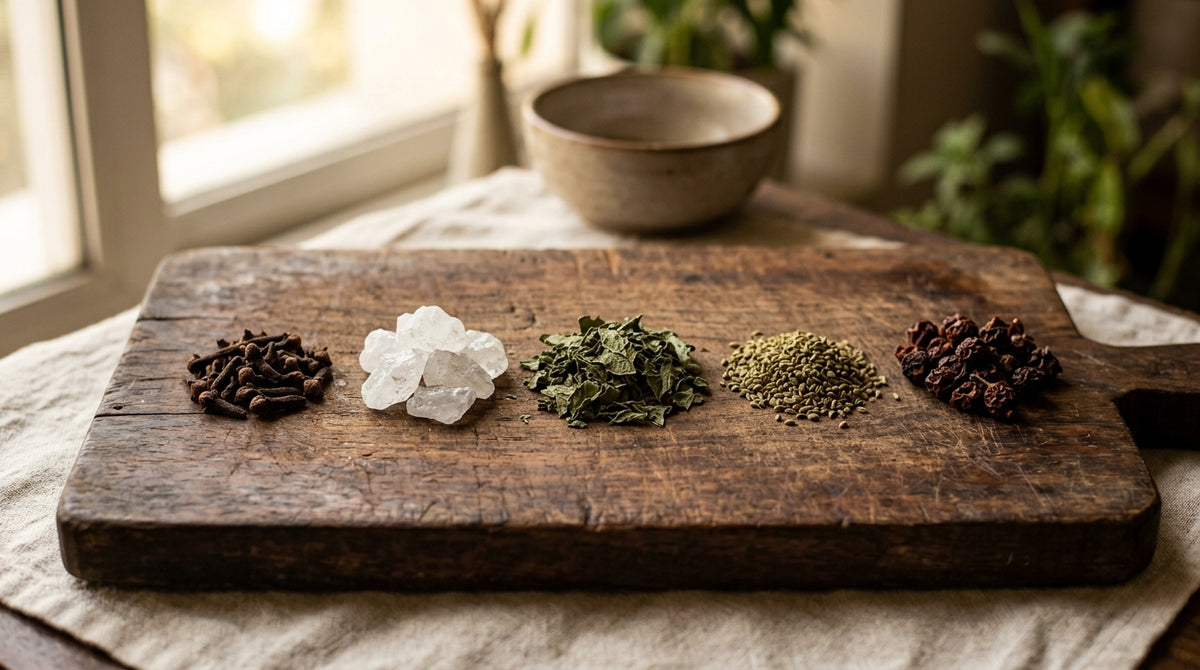
- Ayurvedic dandasa — a herbal mouthwash with fitkari, laung, pudina, tumbru, ajwain and jatamansi — may support oral hygiene and help soothe the inflamed tissue around ulcers.
- See a dentist or doctor if a mouth ulcer has not healed within three weeks, is larger than 1 cm, keeps recurring more than three times a year, or is accompanied by fever or difficulty swallowing.
What are mouth ulcers?
A mouth ulcer, medically known as aphthous stomatitis or a canker sore, is a small, shallow lesion that forms on the soft tissue inside your mouth — the inner cheeks, lips, the base of the gums or under the tongue. Unlike cold sores (which appear on the outside of the lips and are caused by a virus), mouth ulcers are not contagious.
They typically appear as round or oval sores with a white or yellowish centre and a red border. They are painful, especially when eating, drinking or talking. Most minor ulcers are less than 1 cm in diameter and heal within one to two weeks without leaving a scar.
| Type | Size | How common? | Healing time |
|---|---|---|---|
| Minor (most common) | Less than 1 cm | About 80–85% of all cases | 7–10 days, no scar |
| Major | More than 1 cm | Less common | Several weeks, may scar |
| Herpetiform | Tiny (1–2 mm), appear in clusters of 10–100 | Rare | 1–2 weeks |
What causes mouth ulcers?
The exact cause of aphthous stomatitis is not fully understood, but several well-recognised triggers exist. Understanding your personal triggers is the most effective long-term strategy for preventing recurrence.
- Stress and anxiety: One of the most commonly reported triggers. Emotional or physical stress can suppress immune function, making the mucosal lining more vulnerable.
- Nutritional deficiencies: Low levels of vitamin B12, iron, folate (vitamin B9) or zinc are closely associated with recurrent mouth ulcers. These nutrients are essential for healthy mucosal cell renewal.
- Accidental injury: Biting the inside of the cheek, burning the mouth with hot food or drinks, or irritation from a rough tooth or dental appliance can trigger an ulcer.
- SLS toothpaste: Sodium lauryl sulphate (SLS), a foaming agent in many toothpastes, is a known irritant that may increase the frequency of mouth ulcers in susceptible people. Switching to SLS-free toothpaste often helps.
- Acidic and spicy foods: Citrus fruits, tomatoes, pineapple, vinegar and very spicy foods can irritate the mucosal lining and trigger or worsen ulcers.
- Hormonal changes: Some women notice a pattern of ulcers before or during their menstrual cycle.
- Food sensitivities: In some people, gluten or certain food additives may be a contributing factor.
10 mouth ulcer home remedies that may help
1. Salt water rinse
A warm salt water rinse is one of the simplest and most widely recommended home remedies for mouth ulcers. Salt creates an osmotic environment that draws fluid out of the inflamed tissue, reducing swelling, and may help keep the area clean. Dissolve ½ teaspoon of plain salt in a cup of warm water. Swish it around your mouth for 30–60 seconds and spit. Repeat two to three times daily. It will sting initially — this is normal. Do not swallow the rinse.
2. Raw honey
Raw, unprocessed honey has well-documented antimicrobial and anti-inflammatory properties due to its hydrogen peroxide content, low pH and high osmolarity. Apply a small amount of raw honey directly to the ulcer using a clean finger or a cotton swab. Repeat three to four times a day, especially after meals. Manuka honey is particularly potent, but any good-quality raw honey will provide some benefit. Note that processed, refined honey (the clear type sold in small sachets) has little of this activity.
3. Turmeric paste
Curcumin, the active compound in turmeric (haldi), has significant anti-inflammatory and antimicrobial properties that have been the subject of extensive research. Mix ½ teaspoon of turmeric powder with a few drops of coconut oil to form a thick paste. Apply it carefully to the ulcer with a clean cotton swab and leave it for 3–5 minutes before rinsing gently. Use once or twice daily. The paste will stain temporarily, so it is best applied at bedtime.
4. Coconut oil
Coconut oil is rich in lauric acid, a medium-chain fatty acid with antimicrobial properties. It may help reduce bacterial load around the ulcer and soothe the inflamed tissue. Apply a small amount of cold-pressed virgin coconut oil directly to the ulcer with a cotton swab. You can also use it as part of an oil-pulling practice by swishing a tablespoon around your mouth for 5–10 minutes, though oil pulling is more of a general oral hygiene measure than a targeted ulcer remedy.
5. Aloe vera gel
Fresh aloe vera gel from the leaf of the plant is cooling and anti-inflammatory. It forms a thin protective film over the ulcer, which can reduce irritation during eating and drinking. Extract fresh gel from an aloe vera leaf and apply it directly to the ulcer using a clean fingertip. Leave it on and allow it to absorb. Repeat two to three times daily. Use fresh gel if possible; if using a commercial product, look for one that is pure aloe vera without added alcohol or fragrance.
6. Clove oil
Clove oil contains eugenol, a natural compound with local anaesthetic and antimicrobial properties. It is genuinely effective at reducing pain from mouth ulcers, which is why clove oil is a standard ingredient in many dental preparations. Dilute one drop of clove oil in a teaspoon of coconut or sesame oil — never apply undiluted clove oil directly as it can burn the tissue. Apply the diluted oil to the ulcer with a cotton swab and hold it there for 1–2 minutes. Use once or twice daily. For an easier option, see the dandasa section below.
7. Herbal mouthwash — dandasa
Ayurvedic herbal mouthwashes and powders known as dandasa have been used in traditional Indian oral care for centuries. A well-formulated dandasa combines herbs with astringent, antiseptic, pain-relieving and cooling properties to address multiple aspects of mouth ulcer discomfort at once. Dhanyawad Ayurved's Dandasa Herbal Mouth Wash contains six traditionally selected ingredients for exactly this purpose. See the full ingredient breakdown in the section below.
8. Mulethi (licorice) water gargle
Mulethi (Glycyrrhiza glabra) has a long history of use in Ayurvedic and traditional Chinese medicine for soothing inflamed mucous membranes. Glycyrrhizin, one of its active compounds, is anti-inflammatory and may support the healing of soft tissue. Boil ½ teaspoon of mulethi powder or a small piece of mulethi root in a cup of water for 5 minutes, allow it to cool to warm, and use it as a gargle or rinse two to three times daily. Read our detailed guide on mulethi and its benefits.
9. Coriander seed (dhaniya) water
Coriander seeds have been used in Ayurvedic practice for inflammation in the mouth and throat. Boil one teaspoon of coriander seeds in a cup of water, strain, allow to cool to warm and swish the liquid around your mouth for 30–60 seconds before spitting. Use three times daily. This is a gentle remedy with no known side effects and is suitable for children above the age of five with parental supervision.
10. Tulsi (holy basil) paste
Tulsi leaves contain eugenol, rosmarinic acid and several other compounds with antimicrobial and anti-inflammatory properties. Crush 4–5 fresh tulsi leaves into a coarse paste, apply it to the ulcer and leave it for a few minutes. Alternatively, chew 2–3 fresh tulsi leaves slowly two to three times a day. Tulsi is easily available in most Indian households and has an excellent safety profile when used in culinary quantities.
Dandasa Herbal Mouth Wash: what is it and how does each ingredient help?
Dandasa is a traditional Ayurvedic formulation used for oral care — cleaning the teeth, freshening the breath, and supporting the health of the gums and inner mouth lining. Unlike modern mouthwashes that rely primarily on chemical antiseptics such as chlorhexidine, dandasa uses plant-derived ingredients with complementary properties. Here is how each ingredient in Dhanyawad Ayurved's Dandasa Herbal Mouth Wash traditionally supports oral health:
| Ingredient | Hindi / Common Name | Traditional role in oral care |
|---|---|---|
| Fitkari (Alum) | फिटकरी / Phitkari | Astringent — tightens inflamed tissue, traditionally used to reduce swelling around ulcers and help control bleeding gums |
| Laung | लौंग / Cloves (Syzygium aromaticum) | Eugenol in cloves acts as a natural local anaesthetic; traditionally used for toothache and oral pain relief |
| Pudina | पुदीना / Mint (Mentha) | Cooling and breath-freshening; menthol soothes irritated tissue and provides a sensation of relief |
| Tumbru | तुम्बरु / Winged prickly ash (Zanthoxylum armatum) | Traditionally used as an antimicrobial and analgesic in Ayurvedic dentistry; may help reduce bacteria around sores |
| Ajwain | अजवाइन / Carom seeds (family Apiaceae) | Thymol in ajwain is a recognised antiseptic, used in some commercial mouthwash formulations as well as in traditional preparations |
| Jatamansi | जटामांसी / Spikenard (Nardostachys jatamansi) | Traditionally considered calming and anti-inflammatory; used in Ayurveda for soothing inflamed or irritated tissues |
To use: Dissolve the recommended amount of dandasa in a cup of warm water, swish thoroughly around the mouth for 30–60 seconds paying attention to any sore areas, and spit. Use once or twice daily, or as directed on the pack. Avoid eating or drinking for 15 minutes after use.
Names and classification
| Language / System | Name |
|---|---|
| English | Canker sore / Mouth ulcer / Aphthous ulcer |
| Medical term | Aphthous stomatitis |
| Hindi | मुँह के छाले (Munh ke chhaale) |
| Ayurvedic reference | Mukhapaka (inflammation of the oral cavity) |

What foods and habits to avoid with mouth ulcers
Certain foods and habits can make an existing mouth ulcer significantly more painful and may slow healing. During an active ulcer episode, avoid or minimise the following:
- Spicy foods: Chilli, pepper and strong spices directly irritate the exposed nerve endings in the ulcer.
- Acidic foods and drinks: Citrus fruits (lemon, orange, grapefruit), tomatoes, vinegar-based foods, pineapple, and fizzy drinks with citric acid. These lower the pH around the ulcer and increase pain.
- Hard, crunchy foods: Crisps, hard toast, some crackers and raw carrots can physically scrape the ulcer and reopen it.
- Very hot food and drinks: Heat increases blood flow to the area and intensifies pain. Allow all food and beverages to cool to a comfortable temperature.
- Coffee and alcohol: Both are dehydrating and mildly acidic, and may irritate the mucosal lining.
- SLS toothpaste: If you get frequent mouth ulcers, switching to an SLS-free toothpaste is one of the most effective preventive measures you can take.
- Rough brushing: Use a soft-bristled toothbrush and gentle pressure, especially near the ulcer.
Nutrition to support healing and prevent recurrence
Nutritional deficiency — particularly of vitamin B12, iron, folate and zinc — is one of the most common and correctable underlying causes of recurrent mouth ulcers. If you find yourself getting ulcers frequently (more than three times a year), it is worth asking your doctor for a blood test to check these levels.
- Vitamin B12: Found in dairy products, eggs, meat, fish and fortified plant milks. Vegetarians and vegans are at higher risk of deficiency and may need a supplement.
- Iron: Found in leafy green vegetables (spinach, methi), lentils, beans, sesame seeds and red meat. Vitamin C from a small amount of citrus (consumed away from an active ulcer) helps iron absorption.
- Folate (B9): Found in leafy greens, legumes, peanuts, fortified cereals and sunflower seeds.
- Zinc: Found in pumpkin seeds, sesame seeds (til), lentils, chickpeas and dairy.
If you are already eating a varied diet and still experiencing frequent ulcers, discuss supplementation options with a doctor. Self-supplementing with high doses of any individual nutrient is not recommended without testing.
What to avoid for Ayurvedic balance
In Ayurveda, recurrent mouth ulcers (mukhapaka) are associated with excess pitta — the body's heat and metabolic energy. Alongside the remedies above, Ayurvedic practitioners traditionally recommend reducing pitta-aggravating foods and habits: limiting very hot, spicy, sour and fermented foods; drinking adequate cool water; avoiding late nights; and managing stress through practices such as pranayama and regular meals at consistent times. Ingredients like pudina, coconut, coriander and aloe vera are considered pitta-pacifying and are therefore suited to oral care when ulcers are a concern. For related reading, see our guide on home remedies for acidity, which is also a pitta-related condition.
When to see a dentist or doctor
The vast majority of mouth ulcers are minor and self-limiting. However, please see a dentist or doctor if any of the following apply:
- The ulcer has not healed after three weeks
- The ulcer is larger than 1 cm
- You have multiple large ulcers at the same time
- The ulcer is recurring more than three times per year
- You have fever, swollen lymph nodes or difficulty swallowing alongside the ulcer
- The ulcer is painless — a painless sore in the mouth can sometimes indicate something more serious that requires assessment
- You have a new ulcer on the tongue or floor of the mouth that does not fit the usual round/oval pattern
Home remedies are appropriate for managing mild, short-lived, recurrent canker sores of the minor type. They are not a substitute for professional diagnosis when red flags are present.
Where to buy dandasa herbal mouth wash
Dhanyawad Ayurved's Dandasa Herbal Mouth Wash is available online at ₹115. It is formulated with six traditional Ayurvedic ingredients — fitkari, laung, pudina, tumbru, ajwain and jatamansi — chosen for their complementary roles in supporting oral hygiene. For more herbal and Ayurvedic remedies from Dwarka, Delhi, explore our range of home remedies for cough and our guide to kalonji and its many uses.
Frequently Asked Questions
How long do mouth ulcers last?
Minor mouth ulcers — the most common type — typically heal on their own within 7 to 10 days without any treatment. Major ulcers, which are larger than 1 cm, may take several weeks to heal. Herpetiform ulcers (small clusters) usually resolve within 1 to 2 weeks. Using soothing rinses and avoiding irritants can reduce discomfort during this time.
What is the fastest way to heal a mouth ulcer?
Keeping the area clean with a salt water rinse two to three times daily, applying raw honey or diluted clove oil for pain relief, and avoiding spicy, acidic and hot foods are the most effective self-care steps. There is no proven method to close a mouth ulcer overnight, but these measures may reduce healing time and significantly reduce discomfort.
Is salt water good for mouth ulcers?
Yes, a warm salt water rinse is widely recommended and is one of the simplest effective home remedies. The salt draws fluid from swollen tissue, reducing puffiness, and helps keep the area clean. Use ½ teaspoon of salt in a cup of warm water and rinse for 30–60 seconds. It will sting but should not cause lasting discomfort.
Can honey cure mouth ulcers?
Honey does not cure mouth ulcers, but raw honey — especially high-quality raw honey — may help reduce pain, lower inflammation and discourage bacterial growth around the sore, which could support faster healing. Apply it directly to the ulcer two to three times a day. Processed, refined honey has far less antimicrobial activity and is not as useful for this purpose.
Why do I keep getting mouth ulcers?
Recurrent mouth ulcers are often linked to one or more of the following: low levels of vitamin B12, iron, folate or zinc; chronic stress; use of SLS-containing toothpaste; a food sensitivity; hormonal fluctuations; or an underlying health condition. If you get ulcers more than three times a year, ask your doctor for blood tests to rule out nutritional deficiencies.
What foods should I avoid with mouth ulcers?
Avoid spicy foods, citrus fruits, tomatoes, pineapple, vinegar-based dishes, carbonated drinks, very hot food and beverages, hard crunchy foods that may scratch the sore, coffee and alcohol. All of these either directly irritate the exposed tissue or increase acidity around the ulcer, which prolongs pain and may slow healing.
When should I see a doctor about a mouth ulcer?
See a dentist or doctor if the ulcer has not healed within three weeks, if it is larger than 1 cm, if you have multiple large ulcers simultaneously, if it is accompanied by fever or difficulty swallowing, if you have swollen lymph nodes, or if the sore is painless. Painless oral sores and very persistent ulcers always warrant professional assessment.
What is dandasa and how does it help?
Dandasa is a traditional Ayurvedic herbal tooth and mouth powder or wash used in Indian oral care. It typically contains astringent, antiseptic and pain-relieving herbs. In Dhanyawad Ayurved's version, fitkari reduces swelling, laung (clove) may help relieve pain, pudina cools and freshens, tumbru and ajwain provide antimicrobial support, and jatamansi traditionally soothes inflamed tissue. It is used as a daily rinse for general oral hygiene and may offer additional comfort during mild mouth ulcer episodes.
Sources
Written by the Dhanyawad Ayurved team and reviewed by Vaidya Ravinder Arora (40+ years), Dhanyawad Ayurved Vatika, Dwarka, New Delhi. This article describes traditional uses for general information. It is not medical advice. Consult a qualified doctor or Ayurvedic practitioner before using any herb therapeutically.

