
Aloo Bukhara Benefits: Digestion, Bones, Iron and Ayurvedic Uses
Dried aloo bukhara (prune) is rich in fibre, potassium and iron, and has long been used in traditional Indian and Ayurvedic practice to support digestion and bone health. This guide covers what it offers, how to eat it, how much is enough, and who should be careful.
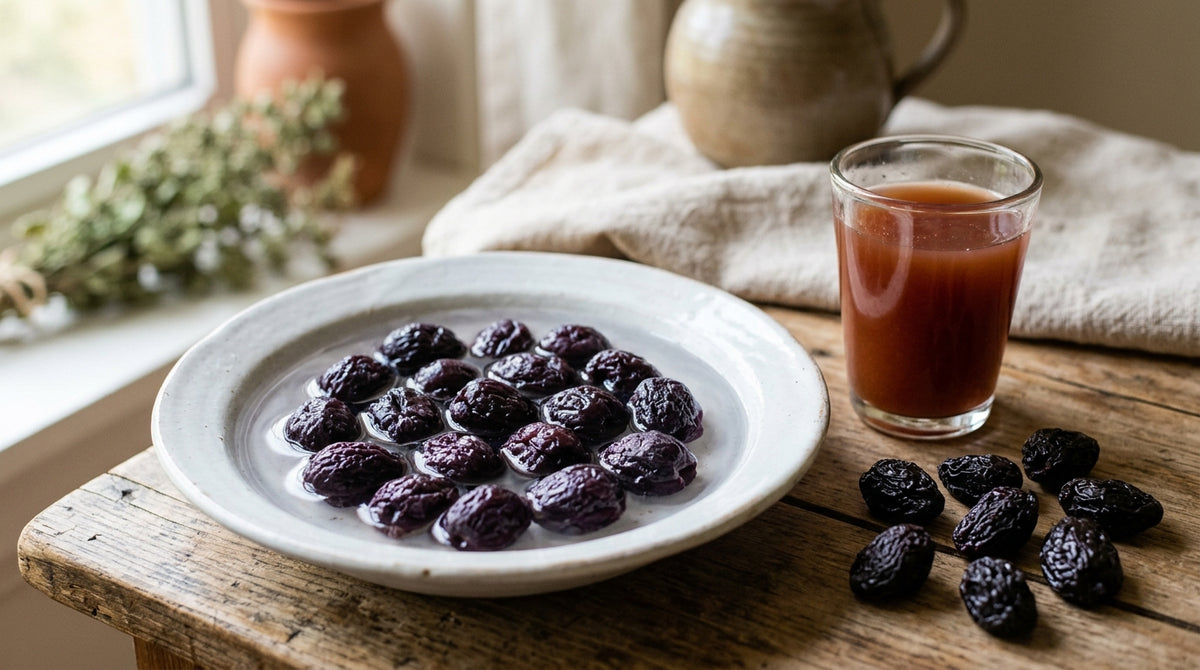
Dried aloo bukhara (prune, Prunus domestica) is traditionally used to support digestion and relieve constipation, thanks to its fibre, sorbitol and potassium content. It also provides iron, antioxidants and minerals associated with bone health. Eating 3–5 dried prunes a day is a well-established traditional practice across South Asia and the Mediterranean.
- Dried aloo bukhara (Prunus domestica) is rich in fibre, potassium and iron and is traditionally used to support digestion and relieve constipation.
- Prunes are more effective than fresh plums for constipation because drying concentrates their fibre and sorbitol content.
- In Ayurvedic tradition, aloo bukhara has a cooling (sheeta veerya) nature and is considered suitable for pitta-dominant constitutions.
- Adults are generally advised to eat 3–5 dried aloo bukhara per day; more than this can cause loose stools or bloating.
- People with diabetes or on blood-pressure medication should consult their doctor before adding prunes regularly to their diet.
What Makes Dried Aloo Bukhara Different from Fresh Plum?
Fresh plums and dried prunes come from the same fruit — Prunus domestica — but they behave quite differently in the body. When a plum is dried, water evaporates, and everything else — fibre, minerals, natural sugars and sorbitol — becomes concentrated in a smaller, shelf-stable package. A single handful of dried aloo bukhara contains more fibre and more potassium than the same weight of fresh plum.
This concentration is exactly why dried prunes have a stronger reputation for supporting digestion than fresh plums do, and why dried aloo bukhara is the form most commonly sold in Indian dry-fruit markets. Fresh plums are seasonal and perishable; dried prunes are available year-round and easy to store. If you would like to learn more about the fruit itself — its names in other languages, how to identify it and how it is grown — our companion post Aloo Bukhara in English covers that in detail.
Nutritional Profile of Dried Aloo Bukhara
The table below uses approximate figures for dried prunes (per 100 g) drawn from published nutritional databases, including Wikipedia's entry on prunes sourced from the USDA.
| Nutrient | Per 100 g (approx.) | Why it matters |
|---|---|---|
| Energy | ~240 kcal | Moderate calorie density for a dry fruit |
| Carbohydrates | ~64 g | Natural sugars plus starch |
| Dietary fibre | ~7 g | Supports digestion and regular bowel movement |
| Potassium | ~700 mg | Important electrolyte for heart and muscle function |
| Iron | ~0.9–1 mg | Contributes to dietary iron intake |
| Vitamin K | ~60 µg | Relevant for bone metabolism and clotting |
| Vitamin B6 | ~0.2 mg | Supports energy metabolism |
| Magnesium | ~41 mg | Part of bone and muscle health |
| Sorbitol | ~15 g | A natural sugar alcohol with a mild laxative effect |
Figures are approximate; exact values vary by variety and processing. Source: Wikipedia / USDA National Nutrient Database.
Traditional Benefits of Aloo Bukhara
The following sections describe how dried aloo bukhara has traditionally been used in South Asian and Ayurvedic practice. All health claims are based on traditional use and general nutritional principles. They are not a substitute for medical advice.
Digestive Health and Constipation Relief
Dried aloo bukhara is perhaps best known as a traditional remedy for sluggish digestion and constipation. Two things make it effective for this purpose:
- Dietary fibre: At around 7 g per 100 g, prunes are one of the higher-fibre dry fruits. Fibre adds bulk to stool, helps it retain water and supports regular bowel movement.
- Sorbitol: Prunes contain sorbitol, a natural sugar alcohol that the gut absorbs slowly. Sorbitol draws water into the colon and has a gentle, natural laxative effect that most people find milder than commercial preparations.
Across South Asia, the Middle East and Mediterranean Europe, soaking 3–5 dried plums overnight and eating them on an empty stomach is a longstanding home practice for constipation. Prune juice is similarly used in Western traditional food medicine. This traditional use is consistent with the general dietary advice on MedlinePlus to increase fibre-rich fruits and vegetables for mild constipation.
If constipation is persistent, severe or accompanied by blood in the stool, please see a doctor rather than relying on home remedies alone.
Bone Health
Dried prunes contain vitamin K, magnesium, potassium and boron — a combination of nutrients that nutritional science associates with bone metabolism. Traditional Ayurvedic and Unani practice has long included aloo bukhara in formulations aimed at strengthening bones and supporting joint health.
Research interest in prunes and bone density has grown in recent decades, but it is important to frame this correctly: eating prunes as part of a balanced diet is a traditional supportive practice, not a medical treatment for osteoporosis. If you have been diagnosed with low bone density or are at risk of fractures, speak to your doctor about appropriate management.
Iron and Energy Support
Dried aloo bukhara provides around 1 mg of iron per 100 g. While this is not as high as leafy green vegetables or legumes, it contributes to total daily iron intake as part of a varied diet. Iron is essential for the production of haemoglobin, which carries oxygen in the blood. A diet that supports iron levels is traditionally associated with better energy, reduced fatigue and improved concentration.
Eating aloo bukhara alongside a source of vitamin C (such as amla, lemon or a fresh salad) may help the body absorb non-haem iron more efficiently. If you have been diagnosed with iron-deficiency anaemia, work with your doctor for appropriate supplementation; food sources alone may not be sufficient.
Antioxidants and Cellular Protection
Prunes are among the higher-antioxidant dry fruits, owing to their anthocyanins and other phenolic compounds — the same family of plant pigments that give them their deep purple-red colour. Antioxidants help the body manage oxidative stress, a process linked to cellular ageing. Dried aloo bukhara has traditionally been valued in Unani medicine for its role in supporting vitality and protecting against environmental wear.
Including antioxidant-rich foods in a varied, balanced diet is a sound nutritional principle; it is not a substitute for medical treatment of any specific condition.
Heart Health — Traditional Support
Aloo bukhara's potassium content (around 700 mg per 100 g) makes it one of the higher-potassium dry fruits available. Potassium is an important electrolyte that supports normal heart and muscle function. Traditional herbal practice in both Ayurvedic and Unani systems has used aloo bukhara as a gentle tonic for heart health and circulation.
Its fibre content may also support healthy cholesterol levels when included as part of a diet low in saturated fat.
Important: If you have been diagnosed with high blood pressure, heart disease or high cholesterol, do not stop or reduce your prescribed medication on the basis of dietary changes alone. Discuss any significant dietary additions with your doctor or cardiologist.
Blood Sugar — What You Need to Know
Dried prunes have a lower glycaemic index than many other dry fruits, partly because their fibre slows glucose absorption. Some traditional food-medicine traditions have included aloo bukhara in diets intended to support metabolic balance.
However: Dried aloo bukhara is still relatively high in natural sugar (approximately 38–40 g per 100 g). People living with type 2 diabetes or pre-diabetes should not add prunes to their diet without first consulting their doctor or dietitian. Do not stop or adjust diabetes medication on the basis of any dietary change. Monitor your blood sugar response if you do include prunes, and keep portions small.
Which Are Better for Constipation — Prunes or Plums?
This is one of the most commonly asked questions about aloo bukhara. The short answer is: prunes (dried aloo bukhara) are more effective for constipation than fresh plums, for two main reasons — concentrated fibre and sorbitol.
| Feature | Fresh plum (aloo bukhara) | Dried prune (sukha aloo bukhara) |
|---|---|---|
| Fibre per 100 g | ~1.4 g | ~7 g |
| Sorbitol content | Low | High (~15 g/100 g) |
| Potassium | ~157 mg | ~700 mg |
| Natural sugar | ~10 g | ~38–40 g |
| Calories | ~46 kcal | ~240 kcal |
| Water content | ~87% | ~30% |
| Availability in India | Seasonal (summer) | Year-round |
| Best for constipation | Mild support | Strong traditional use |
Fresh plums are lighter, more hydrating and lower in sugar — making them a better everyday fruit for most people. Dried prunes are more targeted for digestive support and are available year-round. If you are choosing between the two specifically for constipation, prunes are the traditional and practical choice.
Is Aloo Bukhara Cold or Hot? Ayurvedic Nature
In Ayurvedic classification, aloo bukhara is considered to have a sheeta veerya (cooling potency). This means it is traditionally held to pacify pitta dosha — the fire element associated with heat, inflammation, acidity and irritability — and can increase kapha if consumed in excess.
Practical implications of this classification:
- People with pitta-dominant constitutions (prone to acidity, skin irritation or heat-related complaints) may find dried aloo bukhara well-suited to their constitution.
- People with kapha-dominant constitutions (prone to sluggishness or weight gain) should consume it in moderation.
- In winter, some traditional practitioners suggest eating prunes with a pinch of ginger or black pepper to balance the cooling nature.
- Because of its cooling nature, aloo bukhara is particularly valued in summer months as part of cooling sharbats and drinks.
This Ayurvedic classification is a traditional framework, not a medical diagnosis. For personalised Ayurvedic advice, consult a registered Ayurvedic practitioner.
How to Use Dried Aloo Bukhara
There are several well-established ways to include dried aloo bukhara in your daily routine. The table below summarises the most common methods and their traditional purpose.
| Method | How to do it | Traditional purpose |
|---|---|---|
| Soaked overnight | Soak 3–5 dried prunes in a cup of water overnight. Eat them on an empty stomach in the morning; drink the soaking water too. | Constipation relief, digestive support |
| Eaten as a snack | Eat 2–4 dried prunes as a mid-morning or afternoon snack, without soaking. | Energy, iron and antioxidant support |
| Aloo bukhara sharbat | Soak 5–6 prunes in 2 cups of water for 4–6 hours. Blend with the soaking water, strain, add a squeeze of lemon and a pinch of rock salt. | Cooling drink in summer, traditional pitta pacifier |
| In dal or chutney | Add 2–3 soaked prunes to a sour dal (like amchur dal) or blend into a sweet-sour chutney with ginger and spices. | Flavour and digestive function in cooking |
| With warm milk | Soak 3 prunes in warm milk for 30 minutes; eat the prunes and drink the milk at bedtime. | Traditional support for sleep and digestion |
| Aloo bukhara kadha | Simmer 4–5 prunes in 2 cups of water with a cinnamon stick and a few cardamom pods for 10 minutes. Strain and drink warm. | Traditional digestive and warming tonic |
How Many Aloo Bukhara Per Day?
The traditional guidance, broadly consistent across South Asian, Unani and Ayurvedic practice, is as follows:
| Who | Suggested daily amount | Notes |
|---|---|---|
| Healthy adults | 3–5 dried prunes | A widely cited traditional daily amount |
| For constipation | 5–6, soaked overnight | Eat on an empty stomach in the morning |
| Children (over 6) | 1–2, soaked | Soften well before giving to children |
| People with diabetes | 1–2, with medical advice | Monitor blood sugar; consult your doctor |
| People with IBS or loose stools | Avoid or limit to 1 | Sorbitol may worsen diarrhoea |
Start with 2–3 per day if you are new to eating prunes, as the sorbitol can cause bloating or loose stools if you increase the amount too quickly. Give your digestive system a week to adjust before increasing to 5–6.
When Not to Eat Aloo Bukhara
Dried aloo bukhara is a well-tolerated food for most people, but there are situations where caution is appropriate:
- Diarrhoea or loose stools: Sorbitol has a laxative effect; eating prunes when you already have loose stools will make things worse. Avoid them until your digestion has settled.
- Irritable bowel syndrome (IBS) with diarrhoea predominance: Sorbitol is a FODMAP — a type of fermentable carbohydrate that can trigger IBS symptoms. If prunes worsen your symptoms, reduce or eliminate them.
- People on blood-thinning medication: Prunes are reasonably high in vitamin K (~60 µg per 100 g), which interacts with anticoagulant drugs such as warfarin. If you are on a blood thinner, discuss dietary vitamin K with your doctor before adding prunes regularly.
- Kidney disease: The high potassium content of prunes (~700 mg per 100 g) may be unsuitable for people who have been advised to follow a low-potassium diet due to kidney problems. Ask your doctor.
- Diabetes without medical advice: As discussed above, the natural sugar content requires caution and medical guidance for diabetics.
- Allergy to stone fruits: People allergic to plums, cherries, peaches or other stone fruits (Prunus species) should avoid aloo bukhara.
- Late pregnancy or post-surgery: Prunes are generally safe in moderation during pregnancy, but consult your doctor if you have complications, gestational diabetes or have recently had abdominal surgery.
Is It Okay to Eat Aloo Bukhara at Night?
Yes, eating 2–3 dried prunes at night is a common traditional practice, particularly for people who experience constipation in the morning. Eating them at night allows the fibre and sorbitol to work gradually overnight, so that bowel movement happens more comfortably in the morning.
Soaking 3 prunes in warm milk at bedtime is a traditional Ayurvedic approach for both digestive support and relaxation. The magnesium in prunes is also associated with relaxation of muscles.
A few points to keep in mind:
- Keep the quantity to 2–4 at night; eating 8–10 before sleep can cause overnight cramping or urgent bowel movement.
- If you are prone to acid reflux at night, eat them at least an hour before lying down.
- People with diabetes should monitor their blood sugar if eating prunes at night, as the natural sugar — though moderate-GI — can still affect overnight glucose levels.
Aloo Bukhara Benefits for Females
Dried aloo bukhara has traditionally been included in food recommendations for women across several life stages:
- Iron support: Women of reproductive age have higher iron requirements. While prunes are not a high-iron food compared to meat or legumes, they contribute to overall dietary iron and are often included in iron-supportive meal plans alongside other sources.
- Bone health: Postmenopausal women face increased risk of bone density loss. The combination of vitamin K, magnesium and potassium in prunes is traditionally associated with bone support, and prunes are frequently mentioned in this context in nutritional research (though as a dietary complement, not a treatment for osteoporosis).
- Digestive health in pregnancy: Constipation is common during pregnancy due to hormonal changes and the pressure of the growing uterus. Soaked prunes are a traditionally used, gentle dietary approach. Consult your doctor or midwife before making significant dietary changes during pregnancy.
- Cooling effect: The cooling Ayurvedic nature of aloo bukhara makes it traditionally recommended for women experiencing heat-related discomfort.
Buy Dhanyawad Ayurved Aloo Bukhara
Dhanyawad Ayurved's Dried Aloo Bukhara (Dried Plum / Prune) is sourced and packed to retain the fruit's natural fibre, sorbitol and mineral content. No artificial preservatives, no added sugar.
| Pack size | Price | Best for |
|---|---|---|
| 100 g raw | ₹80 | Trying it for the first time, or for one person |
| 1 kg raw | ₹720 | Daily family use, cooking, or making sharbat |
For related reading, see our posts on Aloo Bukhara ke Fayde (Hindi benefits guide) and Anjeer Benefits for a comparison with another traditional digestive dry fruit.
When to See a Doctor
Dried aloo bukhara is a food, not a medicine. Please see a doctor if:
- Constipation is severe, has lasted more than two weeks, or is accompanied by blood in the stool, unexplained weight loss or abdominal pain — these need medical investigation.
- You experience severe abdominal cramping or persistent diarrhoea after eating prunes.
- You have diabetes and notice significant changes in your blood sugar after adding prunes to your diet.
- You are on warfarin or another anticoagulant and want to eat prunes regularly — discuss this with your doctor first.
- You have kidney disease and are on a potassium-restricted diet.
- You suspect an allergy (mouth tingling, hives, swelling, difficulty breathing after eating prunes) — seek immediate medical attention.
Frequently Asked Questions
Which are better for constipation — prunes or fresh plums?
Dried prunes are significantly more effective for constipation than fresh plums. Drying concentrates the fibre to around 7 g per 100 g (versus about 1.4 g in fresh plums) and greatly increases the sorbitol content, which has a natural laxative effect. Fresh plums are hydrating and lighter on the stomach, but for constipation relief, soaked dried prunes are the traditional and practical choice.
What are the benefits of aloo bukhara juice or sharbat?
Aloo bukhara sharbat — made by soaking and blending dried prunes with water, lemon and a pinch of rock salt — retains some of the fibre and much of the potassium of the whole fruit. It is traditionally used as a cooling summer drink to support digestion and reduce pitta-related heat. Prune juice (available commercially) is similarly used as a gentle laxative drink. Whole prunes are preferable to juice if fibre intake is the goal, since blending removes some fibre.
Is aloo bukhara cold or hot in Ayurveda?
Aloo bukhara is classified as sheeta veerya (cooling) in Ayurvedic tradition. It is considered to pacify pitta dosha and is traditionally recommended in summer or for people prone to acidity, heat-related skin issues or irritability. People with kapha dominance or in cold weather are advised to consume it in moderation, optionally with warming spices like ginger or black pepper.
Is it okay to eat aloo bukhara at night?
Yes. Eating 2–3 soaked dried prunes at night is a traditional practice, particularly for people who struggle with morning constipation. The fibre and sorbitol work gradually overnight. Soaking prunes in warm milk at bedtime is also a traditional Ayurvedic approach. Keep the quantity moderate at night; large amounts before sleep can cause overnight cramping or urgent bowel movement in the early hours.
When should you not eat aloo bukhara?
Avoid or limit dried prunes if you have diarrhoea or loose stools (sorbitol will worsen them), IBS with diarrhoea predominance, kidney disease requiring a low-potassium diet, or an allergy to stone fruits. People on blood-thinning medication (such as warfarin) should discuss prune consumption with their doctor, as prunes are moderately high in vitamin K. People with diabetes should consult their doctor before adding prunes regularly, and should not stop prescribed medication on the basis of dietary changes.
How many aloo bukhara should I eat in a day?
The traditional guidance is 3–5 dried prunes per day for healthy adults. For constipation specifically, 5–6 soaked overnight and eaten on an empty stomach is a common traditional recommendation. If you are new to eating prunes, start with 2–3 and give your digestive system about a week to adjust before increasing, as the sorbitol can cause temporary bloating. Children over 6 can have 1–2 softened prunes per day.
Sources
Written by the Dhanyawad Ayurved team and reviewed by Vaidya Ravinder Arora (40+ years), Dhanyawad Ayurved Vatika, Dwarka, New Delhi. This article describes traditional uses for general information. It is not medical advice. Consult a qualified doctor or Ayurvedic practitioner before using any herb therapeutically.

