Kamarkas Benefits – Palash Gum for Back Pain, Bones, and Postpartum Recovery
Kamarkas — the dried gum of the Palash tree (Butea monosperma) — has been used in Indian traditional medicine for centuries to support back and joint health, postpartum recovery, and bone strength. Here is what the Ayurvedic tradition says about it, how to use it, and what to watch for.
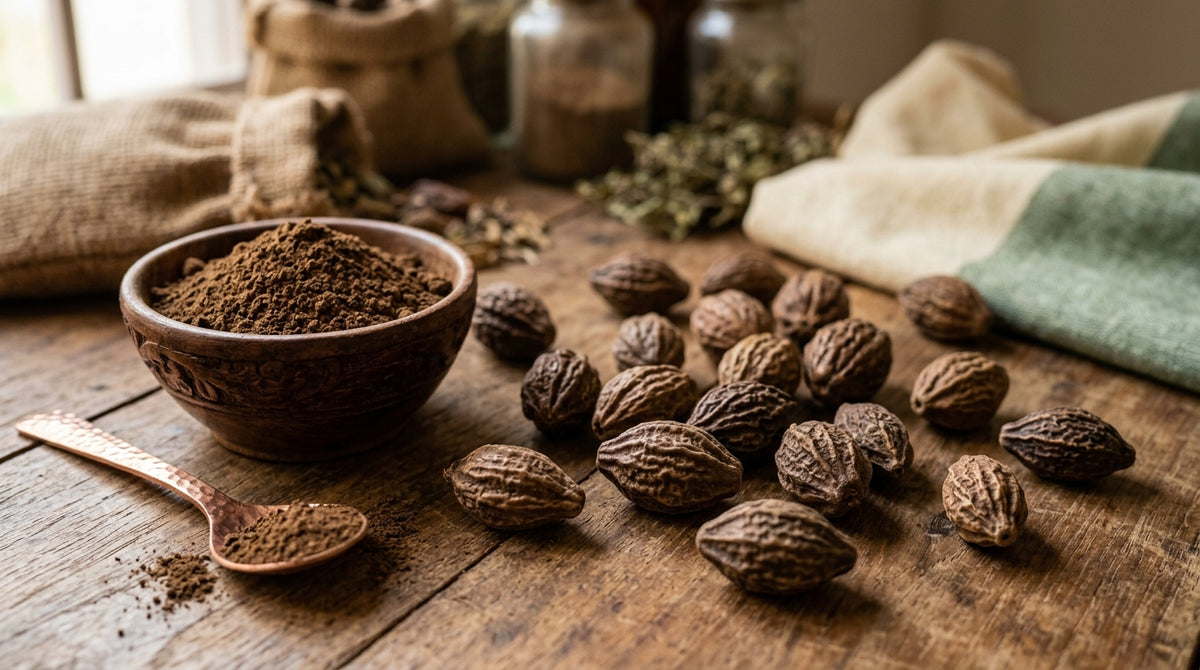
Kamarkas is the dried gum-resin of the Palash tree — not a pharmaceutical treatment — but a traditional Ayurvedic supplement used in Indian folk medicine for centuries to support back and joint health, aid postpartum recovery, and strengthen bones.
- Kamarkas is a natural gum-resin from the Palash tree (Butea monosperma), called Palash Gum or Bengal Kino in English — not a plant, but a solidified resin collected from the tree's bark.
- Traditional Ayurvedic use centres on back and joint support, postpartum nutrition for new mothers, and bone strengthening — it is a traditional supplement, not a medicine.
- Kamarkas is considered "ushna" (warming in nature) in Ayurvedic classification — it is traditionally taken with warm milk or ghee, especially in winter laddoos.
- Pregnant women and people with diabetes or on blood-thinning medications should consult a doctor before using kamarkas internally.
- Dhanyawad Ayurved stocks pure, clean kamarkas (Palash Gum) in Dwarka, New Delhi — suitable for making traditional gond laddoos.
What Is Kamarkas?
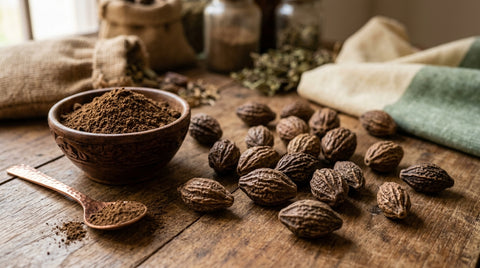
Kamarkas (also written as kamar kas or Gond Chuniya) is a natural gum-resin that oozes from cuts in the bark of the Palash tree, commonly known as the Flame of the Forest. The name itself hints at its traditional purpose: "kamar" means lower back or waist in Hindi, and "kas" refers to strengthening or tightening — so kamarkas literally means "that which strengthens the waist."
Once harvested, the resin dries into dark red-black irregular lumps. These are cleaned, dried further, and sold by traditional grocers (pansaris) across North India. When fried in ghee, they puff up and turn spongy — which is how they are most commonly consumed, mixed into winter energy balls called gond ke laddoo.
The Palash tree is widely distributed across India, Nepal, Sri Lanka, and Southeast Asia. It blooms in vivid orange-red flowers between February and April and is a protected species in several Indian states. Its gum, bark, leaves, seeds, and flowers all have documented uses in traditional medicine systems including Ayurveda, Unani, and Siddha.
Kamarkas in English — Names and Classification
| Language / Category | Name |
|---|---|
| Hindi / Market | Kamarkas, Gond Chuniya, Lal Gond, Chuniya Gond |
| Sanskrit / Ayurveda | Palash Niryasa, Kinshuka Niryasa, Parva Niryasa |
| English | Palash Gum, Bengal Kino, Butea Gum, Flame of Forest Gum |
| Botanical name | Butea monosperma (Lam.) Taub. — not a drug; traditional Palash tree resin |
| Marathi | Palas Dink |
| Bengali | Palash Gond |
| Telugu | Moduga Jiguru |
| Tamil | Parasu Pisin |
Traditional Benefits of Kamarkas
All uses below are rooted in Ayurvedic and folk tradition. Kamarkas is a traditional supplement — it is not a treatment or cure for any medical condition.
Back and Lower Back Support
The most well-known traditional use of kamarkas is for back and lower-back support — which is precisely where its name comes from. Ayurvedic texts classify it as a "balya" (strength-giving) substance for the musculoskeletal system. It is traditionally prepared by frying the gum-lumps in ghee until they puff up, then powdering and mixing into laddoos or warm milk.
Practitioners of traditional Indian medicine recommend it for people with physically demanding jobs, those who spend long hours standing, and older adults who experience general back stiffness. Kamarkas is a traditional supportive supplement — if you have persistent or severe back pain, please see a doctor to rule out serious causes.
Postpartum Recovery for Women
In traditional North Indian households, kamarkas gond laddoos are a staple postpartum food — given to new mothers in the weeks following childbirth alongside other warming ingredients like dry ginger, ajwain, and desi ghee. This practice is rooted in Ayurvedic dietetics, which prescribes warming, strength-building foods after delivery to restore energy and support uterine recovery.
Kamarkas is also traditionally believed to support lactation and ease post-delivery back and joint discomfort. These are traditional uses based on centuries of practice, not clinical claims. New mothers should consult a healthcare provider before adding any supplement to their postpartum diet.
Bone and Joint Support
Ayurveda places kamarkas in the category of herbs that nourish "asthi dhatu" (bone tissue) and "majja dhatu" (marrow). It is traditionally recommended for older adults, people recovering from fractures, and anyone experiencing general joint stiffness with age. The standard traditional preparation is kamarkas fried in ghee, mixed with warm milk and a pinch of turmeric — consumed daily in the winter months.
This is a traditional dietary approach to bone nourishment, not a substitute for medical treatment of osteoporosis, fractures, or arthritis. If you have been diagnosed with any of these conditions, follow your doctor's advice.
Digestive Support
Some Ayurvedic formulations use Palash gum for its mild astringent properties to support digestive function, particularly in cases of loose stools or general digestive weakness. The gum is classified as "kashaya" (astringent) in Ayurvedic taste taxonomy, which is associated with tightening and binding effects in the GI tract. This use is less common today and is typically recommended only under guidance of an Ayurvedic practitioner.
Traditional Wound Care
Palash gum has a traditional use in external wound care — the powdered or dissolved resin was applied to minor cuts and abrasions as a natural astringent. This aligns with its "kashaya" classification in Ayurveda, which is associated with wound-healing support. For any significant wound or skin condition, seek medical attention.
Is Kamarkas Hot or Cold?
In Ayurvedic "virya" (potency/nature) classification, kamarkas is considered ushna virya — warming in nature. This is why it is traditionally taken in winter, mixed with warming ingredients like ghee, dry ginger, and jaggery. Its warming nature makes it especially suited for Vata constitution types and for cold, damp climates.
People with pitta constitution or those prone to internal heat, acidity, or inflammation should use kamarkas more cautiously and preferably with cooling counterparts like mishri (rock sugar) or cold milk.
How to Use Kamarkas
| Method | Preparation | Traditional Purpose |
|---|---|---|
| Gond Laddoo (most popular) | Fry 50 g kamarkas in 2 tbsp ghee until puffed. Powder. Mix with roasted wheat flour, ghee, jaggery, dry fruits. Shape into balls. | Postpartum recovery, bone and back support (winter) |
| Warm milk preparation | Fry 3–5 g kamarkas in ghee until puffed. Crush and stir into a glass of warm milk. Add a pinch of turmeric and jaggery. | Daily back and joint support |
| Powder in food | Fry and powder kamarkas. Add 2–3 g to porridge, kheer, or halwa. | General strengthening (winter tonic) |
Kamarkas Dosage — How Much Per Day?
- General adults: 3–6 g per day (fried and powdered), taken with warm milk or ghee. This is the traditionally recommended range; stay within it and do not self-escalate.
- Postpartum women: As part of laddoos, the total daily intake of kamarkas is typically 5–10 g spread across 2–3 laddoos. Follow traditional recipes and your healthcare provider's advice.
- Elderly: Start with 2–3 g and assess tolerance before increasing.
- Children under 12: Not recommended without guidance from an Ayurvedic practitioner.
- Duration: Traditionally used for 40–90 days in winter. Long-term continuous use without breaks is not part of traditional practice.
Kamarkas Side Effects and Precautions
- Pregnancy: Avoid kamarkas during pregnancy without explicit advice from a qualified doctor or Ayurvedic vaidya. Its warming nature and uterine effects make it unsuitable during pregnancy in traditional practice.
- Diabetes: Traditional preparations often include jaggery and ghee — monitor blood sugar and consult your doctor if you are diabetic.
- Blood thinners: Palash gum has traditionally been associated with effects on blood. If you take anticoagulant medications, consult your doctor before use.
- Digestive sensitivity: Some people experience mild constipation if they consume too much too quickly. Start with a smaller dose and increase gradually.
- Allergy: Rare, but if you notice any rash, itching, or swelling after consuming kamarkas, stop use and see a doctor.
Kamarkas vs Other Traditional Winter Gums
| Gum / Resin | Source Tree | Key Traditional Use | Nature (Virya) |
|---|---|---|---|
| Kamarkas (Palash Gum) | Palash tree | Back/joint support, postpartum | Ushna (warming) |
| Gond Katira (Tragacanth) | Astragalus spp. | Cooling, summer energy drink | Sheeta (cooling) |
| Babul Gond (Acacia Gum) | Acacia nilotica | Throat, digestive support | Sheeta (cooling) |
| Lakh (Lac Resin) | Lac insects on host trees | Wound care, bone fractures | Ushna (warming) |
Buy Kamarkas — Dhanyawad Ayurved
Dhanyawad Ayurved, Dwarka, New Delhi stocks pure, clean kamarkas (Palash Gum) — free from added colour and adulteration, suitable for traditional gond laddoos and milk preparations. Price: ₹120 for 100g raw gum. If you are looking for a wholesome winter supplement with a deep traditional lineage, kamarkas is a good starting point.
Also explore related posts:
- कमरकस के फायदे (Hindi) — Hindi-language in-depth guide to kamarkas
- अर्जुन की छाल के फायदे — Traditional heart-supportive herb
Kamarkas is a traditional supplement rooted in centuries of Ayurvedic practice. It is not a medicine and does not treat, cure, or prevent any disease. If you have back pain, joint disease, postpartum complications, or any chronic condition, please consult a qualified medical doctor or Ayurvedic vaidya before adding kamarkas to your routine.
Frequently Asked Questions
What is Kamarkas called in English?
Kamarkas is most commonly called Palash Gum or Bengal Kino in English. The botanical name of the source tree is Palash (Butea — not a food spice but a traditional herbal tree). It is also labelled as Butea Gum or Flame of the Forest Gum. The word "Bengal Kino" historically referred to the red astringent gum-resin exported from Bengal during British India — the same material sold today as kamarkas in Indian markets.
Can kamarkas help with back pain?
Kamarkas has a centuries-old traditional reputation for supporting lower back and waist health — the name literally means "that which strengthens the waist." In Ayurvedic tradition, it is used as a warming, strengthening tonic for the musculoskeletal system, taken in ghee and warm milk. It is a traditional supportive supplement, not a treatment for back pain. If you have persistent, severe, or worsening back pain, please see a doctor to rule out disc problems, nerve issues, or other medical causes.
Is Kamarkas hot or cold in nature?
Kamarkas is classified as ushna virya — warming in nature — in Ayurvedic tradition. This is why it is typically consumed in autumn and winter, mixed with other warming ingredients like ghee, dry ginger, and jaggery. People with a pitta constitution or those who experience excess internal heat, acidity, or inflammation should use it in moderation and may balance it with cooling additions like cold milk or mishri.
What is Kamarkas used for?
In traditional Indian medicine, kamarkas is primarily used for: (1) back and lower back support, (2) postpartum recovery for new mothers — as an ingredient in gond laddoos given after childbirth, (3) general bone and joint nourishment during winter, and (4) mild digestive support due to its astringent properties. As a natural food colouring and flavouring, it is also used in some traditional sweets and confections. All of these are traditional uses — not medical claims.
How much kamarkas per day is safe?
The traditional dose is 3–6 g per day for general adults, taken as fried and powdered gum in warm milk or as part of laddoos. For postpartum use, intake may be slightly higher as part of a balanced laddoo mix spread across the day. Do not exceed 10 g per day without guidance from an Ayurvedic vaidya. Start with a smaller dose if you are trying it for the first time, and increase gradually over a week.
What is the price of kamarkas?
At Dhanyawad Ayurved, clean kamarkas (Palash Gum) is available at ₹120 for 100g raw gum. By weight, 1 kg would be approximately ₹1,200, though we sell in 100g packs to ensure freshness and quality. Good quality, unadulterated kamarkas costs more than lower-grade market gum — avoid very cheap kamarkas as it may be blended with other gums or artificial colourants. See the product page for availability.
Sources
Written by the Dhanyawad Ayurved team and reviewed by Vaidya Ravinder Arora (40+ years), Dhanyawad Ayurved Vatika, Dwarka, New Delhi. This article describes traditional uses for general information. It is not medical advice. Consult a qualified doctor or Ayurvedic practitioner before using any herb therapeutically.