
Alsi in English – What Is Flaxseed, Benefits, How to Use and Side Effects
Alsi in English is flaxseed (Linum usitatissimum), one of the oldest cultivated plants. Learn its benefits, why grinding is essential, Ayurvedic uses, correct daily amount and who should be careful.
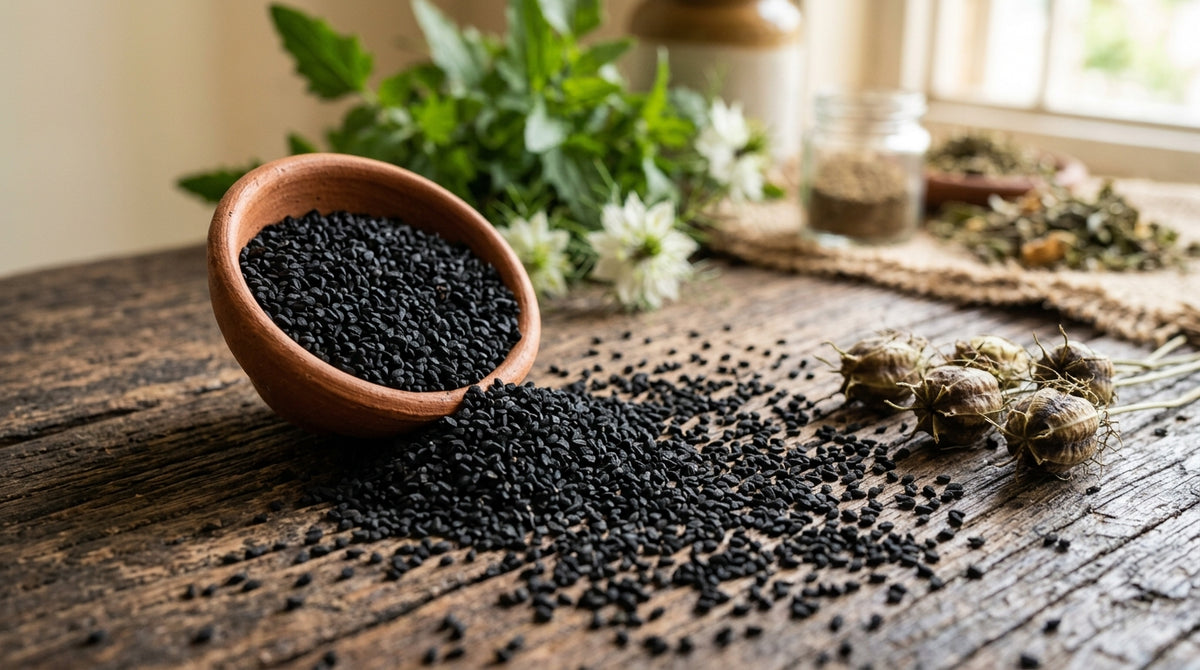
Alsi in English is flaxseed — also called linseed — the small, flat, oval seed of Linum usitatissimum, one of the oldest cultivated crop plants on earth. Alsi is exceptionally rich in omega-3 fatty acid (ALA), dietary fibre and lignans (plant oestrogens). In Ayurveda it is known as Atasi and has been used for centuries for digestion and inflammation. The critical rule: whole seeds pass through mostly undigested — always grind them before eating.
- Alsi (flaxseed) in English is Linum usitatissimum — a tiny, flat, oval seed that is one of the richest plant sources of omega-3 fatty acid (ALA), soluble fibre and lignans.
- Whole flaxseeds pass through the digestive tract largely undigested; always grind or buy powdered alsi to actually absorb its nutrients.
- One to two tablespoons of ground alsi per day added to roti dough, dal, smoothies or curd is the safest and most effective way to use it regularly.
- If you take medication for diabetes or cholesterol, consult your doctor before changing your diet significantly — do not stop your medicine.
- See a doctor if you have a thyroid condition, are pregnant, or are on blood-thinning medicines before adding alsi to your regular diet.
What Is Alsi (Flaxseed)?
Alsi is the seed of the flax plant (Linum usitatissimum L.), a slender, blue-flowering annual herb in the family Linaceae. Archaeological evidence places flax cultivation as far back as 30,000 years ago, making it one of the oldest cultivated plants in human history. Flax was grown in ancient Egypt, Mesopotamia and the Indus Valley civilisation — the same plant was used for its fibres to weave linen cloth and for its seeds as food and medicine.
The seeds are small (4–6 mm), flat and oval, with a smooth, slightly glossy surface. They come in two main colours: brown and golden (also called yellow flaxseed). Brown alsi is the traditional variety widely grown in India and used in Ayurvedic practice. Golden alsi is a milder-tasting North American variety — nutritionally very similar to brown, with a slightly higher ALA content in some analyses. Both varieties are used interchangeably for food purposes.
The flax plant also produces linseed oil (alsi ka tel), pressed from the seeds, which concentrates the ALA omega-3 but loses most of the fibre and lignans found in whole seeds.
Alsi in Other Languages
| Language / Region | Name |
|---|---|
| Hindi / Pansari | अलसी (Alsi) |
| English | Flaxseed, Linseed, Common Flax |
| Sanskrit / Ayurveda | अटसी (Atasi), Uma, Masarina |
| Marathi | जवस (Javas) |
| Bengali | তিসি (Tisi) |
| Tamil | அவிழி விதைகள் (Avizhi Vidaikal) |
| Telugu | అవిసె గింజలు (Avise Ginjalu) |
| Gujarati | અળસી (Alasi) |
| Punjabi | ਅਲਸੀ (Alsi) |
| Botanical | Linum usitatissimum L. (Linaceae) |
How to Identify Genuine Alsi
Genuine alsi seeds are easy to identify once you know what to look for — and importantly, they are very different from kalonji (Nigella sativa), which is sometimes confused with alsi in pansari shops.
- Shape and size: flat, oval, 4–6 mm long. Smooth and slightly glossy on the surface. They feel slippery between the fingers.
- Colour: brown variety — medium to dark reddish-brown. Golden variety — pale yellow to light gold. Both are consistent in colour throughout a batch.
- Smell: mild, nutty smell when crushed or ground. Fresh alsi powder smells pleasantly nutty, like a mild version of walnuts. Rancid alsi smells sharp or paint-like (the omega-3 fats oxidise quickly once ground).
- Not kalonji: Alsi is NOT kalonji. Kalonji (Nigella sativa) is a completely different plant. Kalonji seeds are small, angular, jet-black and three-cornered — like tiny rough pyramids. Alsi seeds are larger, flat, oval, brown or golden, and smooth. They are unrelated plants with completely different nutritional profiles, traditional uses and flavour. If a vendor tells you kalonji and alsi are the same thing, they are wrong.
- Avoid: seeds with a sharp, rancid or paint-like smell (oxidised); any obvious mould or dusty, chalky coating that is not natural; very uneven colouring suggesting mixing of old and new stock.
Flaxseed Nutrition
Alsi is nutritionally exceptional for its size. Per 1 tablespoon (approximately 10g) of whole flaxseeds:
| Nutrient | Per 1 tbsp (10g whole seeds, approx.) |
|---|---|
| Calories | ~55 kcal |
| Total Fat | 4.3 g |
| Omega-3 ALA | 2.3 g (alpha-linolenic acid) |
| Omega-6 | 0.6 g |
| Dietary Fibre (total) | 2.8 g |
| Soluble Fibre | ~0.6–1.2 g (mucilage) |
| Protein | 1.9 g |
| Lignans | ~80–300 mg (plant phytoestrogens) |
| Magnesium | 27 mg |
| Phosphorus | 66 mg |
Note: approximate values derived from USDA standard nutrition data via Wikipedia (Flax). Ground flaxseed releases these nutrients more completely than whole seeds. Actual values vary by variety and storage.
Three components make alsi nutritionally distinctive:
- Omega-3 ALA: alsi is the richest plant-based source of alpha-linolenic acid (ALA), the essential omega-3 fatty acid. ALA is a precursor to the longer-chain omega-3s (EPA and DHA), though conversion in the human body is limited.
- Fibre (both types): alsi contains both soluble fibre (mucilage gum that forms a gel in water, slowing digestion and supporting cholesterol management) and insoluble fibre (supporting bowel regularity and stool bulk).
- Lignans: alsi is the single richest dietary source of plant lignans — compounds that act as phytoestrogens and antioxidants. Flaxseed lignans (principally secoisolariciresinol diglucoside) are found in vastly greater concentrations than in most other commonly eaten plant foods.
Why You Must Grind Flaxseed
This is the most important practical point about alsi: whole flaxseeds pass through the digestive tract largely undigested. The outer seed coat (testa) is very tough. If you swallow whole seeds, most will exit intact without releasing their omega-3 fats, lignans or soluble fibre. You may get some benefit from the insoluble fibre (bulk), but the most nutritious parts — the ALA and lignans — will largely be wasted.
| Whole Flaxseeds | Ground Flaxseed (Powder) | |
|---|---|---|
| Omega-3 ALA absorbed | Very low (seed coat unbroken) | High (cell walls disrupted) |
| Lignans absorbed | Very low | High |
| Soluble fibre (mucilage) | Partial (only from cracked seeds) | Full |
| Insoluble fibre (bulk) | Good | Good |
| Shelf life after preparation | Months (whole, sealed) | 1 week in fridge (ground) |
| Best for | Storage; soaking in water for mucilage | Daily nutritional use |
How to grind alsi at home: a small coffee grinder or dry blender jar gives the best results. Grind only what you need for 5–7 days, store in an airtight container in the refrigerator, and use within one week. Ground alsi is rich in unsaturated fats that oxidise quickly at room temperature — rancid ground flax has a sharp, paint-like smell and should be discarded. You can also buy pre-ground alsi (alsi powder) if you cannot grind at home, but check the packaging date and store in the fridge after opening.
Traditional and Ayurvedic Uses
Alsi (Atasi) is mentioned in the Charaka Samhita, one of the foundational texts of Ayurveda. Classical Ayurvedic literature records alsi as:
- Digestive support: traditionally used for constipation, sluggish digestion and abdominal discomfort. The mucilaginous soluble fibre in alsi seeds is consistent with this classical use.
- Vata-pacifying: in Ayurvedic constitution theory, alsi is considered warming and grounding — traditionally recommended to support Vata imbalances, which include dryness, irregular digestion and joint stiffness.
- Inflammation support: classical texts mention alsi preparations (including poultices of alsi seeds) for external use on inflamed skin and boils. This is consistent with its known anti-inflammatory fatty acid profile.
- Skin and hair nourishment: alsi oil (linseed oil) has been used in traditional Indian practice to nourish skin and support hair growth — applied topically as a scalp treatment.
Traditional Indian food uses: in North India and Rajasthan, whole or roasted alsi seeds are used in winter preparations. Alsi ki pinni is a traditional Punjabi and Rajasthani winter sweet — whole wheat flour, jaggery, ghee and roasted alsi ground together into balls eaten in cold weather for warmth and energy. Alsi chikki (alsi brittle with jaggery) is another popular traditional preparation. Roasted alsi seeds are also eaten as a chaat-style snack with spices.

Health Benefits of Flaxseed
The following benefits reflect both traditional Ayurvedic use and current nutritional research. Alsi is a food, not a medicine — these benefits occur as part of a balanced diet over time, not overnight. Research is ongoing, and findings should not be used to replace prescribed medical treatment.
Heart Health Support
Alsi's ALA omega-3 content may support cardiovascular health. Research suggests that dietary ALA is associated with reduced cardiovascular risk markers. The soluble fibre in ground alsi may also support healthy cholesterol levels as part of a balanced diet. If you take medication for diabetes or cholesterol, consult your doctor before changing your diet significantly — do not stop your medicine.
Digestive Health
Ground alsi is a reliable source of both soluble and insoluble dietary fibre. Soluble fibre (mucilage) forms a gel in the gut that slows digestion and supports healthy blood sugar response after meals. Insoluble fibre adds bulk to stool and may support regularity. Traditionally, alsi has been used for mild constipation and sluggish digestion. Start with one teaspoon and increase gradually to allow your gut to adjust — too much too soon can cause bloating or gas.
Hair and Skin Support
Alsi is traditionally used in India as a food to support hair strength and shine. The ALA fatty acids, lignans and protein in alsi may support scalp health and reduce hair dryness when consumed regularly as part of a varied diet. Topically, alsi gel (made by soaking seeds in water) has been used as a hair setting gel and scalp treatment in traditional practice. These are traditional uses — consult a dermatologist if you have a diagnosed scalp or hair condition.
Hormonal Balance (Lignans)
Alsi is the single richest dietary source of plant lignans, which have mild phytoestrogenic activity. Some research suggests lignans may support hormonal balance in women, particularly during menopause. This is an area of active research and findings should not be used to make medical decisions. If you have a hormone-sensitive condition, speak to your doctor before using alsi in large amounts regularly.
Blood Sugar and Cholesterol
Observational studies and small clinical trials suggest that regular ground flaxseed consumption may modestly support blood sugar regulation and cholesterol profiles as part of a healthy diet. These are dietary support effects — alsi does not replace prescribed medicine. If you take medication for diabetes or cholesterol, consult your doctor before changing your diet significantly — do not stop your medicine.
How to Use Alsi and How Much Per Day
The recommended amount for most healthy adults is 1–2 tablespoons (10–20g) of ground flaxseed per day. Start with one teaspoon and increase over 1–2 weeks. More than 2–3 tablespoons per day is unnecessary and may cause digestive side effects.
Easy ways to add alsi to your daily diet:
- Roti dough: add 1–2 tbsp ground alsi per cup of whole wheat flour when kneading roti dough. It is practically invisible in taste.
- Dal or sabzi: stir a tablespoon of ground alsi into hot dal or any cooked vegetable dish just before serving.
- Smoothie or lassi: blend 1 tbsp ground alsi into a smoothie or add to curd (yogurt) and stir well.
- Alsi water: soak 1 teaspoon of whole alsi seeds in a glass of water overnight. Drink the gel-like water in the morning. This is a traditional method and the mucilage is useful for digestion; however, you get less ALA and lignans than with ground seeds.
- Sprinkle on food: add ground alsi to oatmeal, upma or any cereal at breakfast.
Do not overheat ground alsi — ALA fatty acids degrade at high cooking temperatures. Add ground alsi after cooking where possible, or use it in doughs that are cooked at moderate oven temperatures. Whole seeds tolerate moderate heat better than ground.
Flaxseed Oil vs Whole Seeds
| Alsi (Whole/Ground Seeds) | Alsi Ka Tel (Flaxseed Oil) | |
|---|---|---|
| Omega-3 ALA | High (2.3g per tbsp) | Very high (7g per tbsp) — concentrated |
| Dietary Fibre | High (2.8g per tbsp) | None |
| Lignans | Very high | Trace only |
| Protein | Present | None |
| Best use | Daily food addition for full nutritional benefit | Drizzle on salads, cooked food; not for high-heat cooking |
| Shelf life | Whole: months; ground: 1 week refrigerated | Short once opened; refrigerate |
For whole-body nutritional benefit — fibre, lignans and omega-3 together — ground seeds are the better everyday choice. Flaxseed oil is useful for those who want concentrated ALA without the bulk, or for external use.
Side Effects and Who Should Be Careful
- Overconsumption: more than 3 tablespoons per day may cause loose stools, bloating or diarrhoea due to high fibre content. Start low and build up gradually. Drink plenty of water when increasing fibre intake.
- Whole seeds and constipation: eating whole seeds without adequate water can worsen constipation in some people, as they absorb moisture from the gut. Always drink a full glass of water with alsi.
- Blood-thinning medicines: alsi has mild anti-platelet and blood-thinning properties. If you take anticoagulants such as warfarin, aspirin or clopidogrel, consult your doctor before adding alsi regularly to your diet, as it may interact with these medicines.
- Pregnancy: small amounts of alsi as part of normal food (one teaspoon per day) are generally considered safe during pregnancy in traditional practice. However, large supplemental doses are not recommended due to the mild phytoestrogenic activity of lignans — keep intake to food amounts and consult your doctor.
- Thyroid (hypothyroidism): raw flaxseeds contain small amounts of cyanogenic glycosides that can have a minor goitrogenic effect in very large quantities. Lightly roasting or cooking alsi reduces this. If you have hypothyroidism or take thyroid medication, consult your doctor before using alsi in large amounts regularly.
- Hormone-sensitive conditions: because of the phytoestrogenic activity of lignans, people with oestrogen-sensitive conditions should speak to their doctor before using alsi in large regular amounts.
See a doctor if you experience persistent digestive discomfort, unexplained bloating, allergic reactions after eating alsi, or if you have hypothyroidism, are pregnant, or are taking blood-thinning medication — these are situations where individual medical advice is important before adding alsi to your regular diet.
Where to Buy Alsi
Dhanyawad Ayurved Vatika stocks raw whole brown alsi seeds — naturally sun-dried, traditionally sourced and unsweetened. Alsi (Flaxseed) is available at ₹180 per 1kg. Available at our Dwarka, New Delhi store and online. Buying whole raw seeds and grinding them at home ensures freshness — ground alsi oxidises quickly and homemade freshly ground powder will always be fresher than pre-packaged ground flax left on a shelf.
Related Posts
Other seeds and digestive herbs you may find useful:
- Isabgol (Psyllium Husk) — Benefits and How to Use — another excellent soluble fibre seed used for digestion and cholesterol support.
- Methi Dana (Fenugreek Seeds) — Benefits and Uses — fenugreek is another traditional Indian seed with fibre, blood-sugar support benefits and a long Ayurvedic history.
Frequently Asked Questions
What are the health benefits of flaxseed oil?
Flaxseed oil (alsi ka tel) is concentrated in ALA omega-3 fatty acid — one tablespoon provides approximately 7g of ALA, more than three times the amount in whole seeds per tablespoon. It is traditionally drizzled on salads, cooked dals or taken as a supplement. However, flaxseed oil contains no fibre and almost no lignans — for the full nutritional package of alsi, ground seeds are more complete. Flaxseed oil is not suitable for high-heat cooking as ALA degrades above moderate temperatures.
What are the benefits of flaxseed for coughs?
Linseed (alsi) tea is a traditional home remedy for soothing sore throats and dry coughs. To make it, steep one teaspoon of whole alsi seeds in a cup of hot water for 10–15 minutes, strain and drink warm, optionally with honey and lemon. The mucilage from the seeds creates a soothing, coating effect on the throat. This is a traditional use; if a cough persists for more than a week or is accompanied by fever or difficulty breathing, consult a doctor.
Is flaxseed the same as kalonji?
No — alsi (flaxseed) and kalonji are completely different plants with nothing in common. Alsi is Linum usitatissimum (Linaceae) — flat, oval, brown or golden seeds. Kalonji is Nigella sativa (Ranunculaceae) — small, angular, jet-black seeds with a strong, pungent aroma. They have different nutritional profiles, different traditional uses and different flavours. Confusing the two is a serious error. Always check with a reputable pansari or Ayurvedic supplier and inspect the seeds visually before buying.
How should I consume alsi daily?
The most effective way to consume alsi is as freshly ground powder — 1 to 2 tablespoons per day stirred into roti dough, dal, curd, smoothies or warm water. Do not eat whole seeds expecting nutritional benefit — they pass through mostly undigested. Grind seeds in a dry coffee grinder, store the powder in an airtight container in the fridge and use within one week. Start with one teaspoon per day and increase gradually to allow your digestive system to adjust.
Can I drink flaxseed water daily?
Yes, alsi water in moderation is a traditional practice. Soak one teaspoon of whole alsi seeds in a glass of water overnight. In the morning, drink the gel-like water along with the seeds (or strain and drink just the water). The mucilage supports digestion and provides soluble fibre. Stay well hydrated throughout the day. This method provides less ALA and lignans than ground seeds, but is a gentle way to benefit from the soluble fibre. Limit to one glass per day; more can cause loose stools.
What is the biggest disadvantage of flaxseeds?
The main disadvantages are: whole seeds pass through undigested unless ground, making them useless for omega-3 and lignan absorption; ground seeds go rancid within days at room temperature; overconsumption (more than 3 tablespoons daily) causes loose stools and bloating; alsi has mild blood-thinning properties that can interact with anticoagulant medicines; and raw flaxseeds have a minor goitrogenic effect relevant to people with hypothyroidism. None of these disadvantages apply to sensible use of 1–2 tablespoons of freshly ground alsi per day.
Sources
Written by the Dhanyawad Ayurved team and reviewed by Vaidya Ravinder Arora (40+ years), Dhanyawad Ayurved Vatika, Dwarka, New Delhi. This article describes traditional uses for general information. It is not medical advice. Consult a qualified doctor or Ayurvedic practitioner before using any herb therapeutically.

